
Measure before assuming a loss
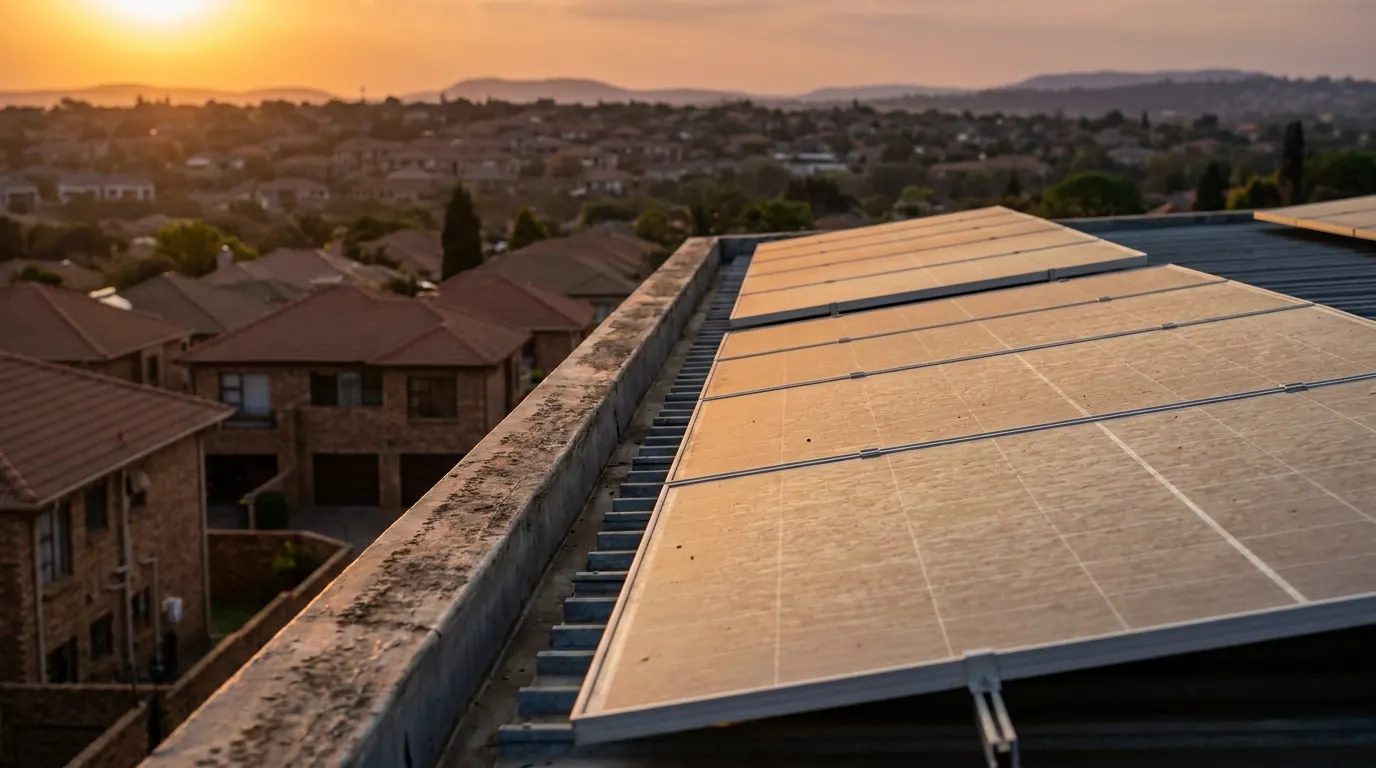
Dust, bird deposits and other soiling can reduce the light reaching panels. The Department of Energy describes soiling as a variable local condition, which is why cleaning decisions benefit from measurement.
Compare inverter records across similar conditions and check for shading, faults, outages and changes in household demand. One sunny day after cleaning compared with one cloudy day before it does not isolate the benefit.
A proper assessment may use irradiance data or a reference measurement. For a home system, consistent records are still useful, but treat a simple before-and-after comparison as an estimate rather than a controlled test.
Calculate the value in your own numbers
Illustrative example: suppose cleaning restores 1 kWh a day that you would otherwise buy at R3/kWh.
Over 90 days: 1 × R3 × 90 = R270 of avoided purchases.
Compare: a R750 cleaning bill would not be recovered within that 90-day period under these assumptions.
The 1 kWh recovery and R3 tariff are example inputs, not measured output or a current tariff claim. Replace them with evidence from your system and bill. Exported energy may have a different value, and curtailed output may have no immediate cash value.
The duration of the benefit also matters: fresh dust, birds and rain change conditions. Do not assume the same recovered output continues indefinitely.
Compare complete cleaning prices
Use the solar panel cleaning price guide to compare the panel rate with the minimum visit charge. As an arithmetic example, a R750 total for a 12-panel array works out to R62.50 per panel; this is not a separate quoted rate.
Ask for the total including safe access, travel, cleaning method, VAT and any inspection. High or difficult roofs can cost more. A larger array may attract a different per-panel price, but compare like-for-like access and scope.
For northern Johannesburg’s dry periods, check the actual condition and yield rather than booking solely by calendar month. Heavy deposits and local construction dust warrant an assessment even when the rest of the roof looks clean.
Protect the panels and the roof
Use the module manufacturer’s cleaning instructions and a competent access plan. Ask the provider to explain water quality, tools and method before work starts. Do not walk on panels or treat them like paving with a pressure washer.
Visible cable damage, cracked modules or electrical faults need the appropriate solar technician. Cleaning is not an electrical inspection or a remedy for a system fault. Send the panel count, module details if available and ground-level photos of access when requesting a quote.
Sources and further reading
Use the instructions for your equipment or coating. Prices in this guide are indicative planning estimates, not a quote from The Home Crew.
Solar panel cleaning
Tell us your suburb, the work needed and any access restrictions. Photos help us assess the next step.
View service and guide prices